



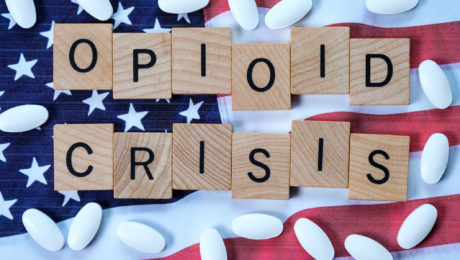
This blog examines the devastating impact of the opioid epidemic, from overdose deaths to the foster care surge. It explores justice system responses including drug courts, legislative reforms, and federal strategies. Learn how comprehensive treatment and coordinated efforts are vital to saving lives and restoring communities.


The violent threats made by Brandon Griesemer reflect a deeper issue—political delegitimization. This article explores how undermining opponents’ legitimacy erodes democratic institutions. Drawing on insights from How Democracies Die, it highlights the urgent need to defend tolerance, facts, and the rule of law before it’s too late.


The Equifax data breach compromised the personal data of over 145 million Americans. This blog examines how the breach occurred, the risks of unencrypted information, and the failure of regulatory safeguards. It also provides practical steps for protecting your identity, including freezing credit and monitoring financial records.

Every day, thousands of people are affected by traffic crashes. Yet, they are often called “accidents,” implying that they are unpredictable and unpreventable. However, with 94% of traffic crashes caused by human error [1], most are neither random nor unavoidable. The phrase crash, not accident more accurately reflects the reality that these events are largely preventable. Changing how



The International Society for Therapeutic Jurisprudence has established the Peggy Hora/Michael Jones Award to honor exceptional judicial leadership. Judge Hora, a pioneer in compassionate and evidence-based justice, is recognized for her international contributions that transformed legal practice and inspired generations of justice professionals.

Your smartphone is silently tracking your every move. Whether you use Android or iPhone, your data is collected, analyzed, and shared—often without your knowledge. This blog explores how smartphone tracking works, its risks to your privacy, and steps you can take to protect your personal information and digital security.
Part three of The Nuts and Bolts of Drug Testing focuses on specimen collection practices. Discover best practices for participant identification, secure collection sites, chain of custody, and witnessed collections to ensure accurate and reliable test results. Proper procedures are vital for maintaining integrity in justice programs and preventing test subversion.
-

Connecticut Chief Justice Raheem L. Mullins on Court Leadership
Chief Justice Raheem L. Mullins discusses menta... -

Substance Use Disorder Stigma: Language and Attitudes Matter
Language and attitudes can influence how justic... -

Nebraska Chief Justice Jeffrey J. Funke on the Future of Justice
Chief Justice Jeffrey J. Funke discusses judici...