


Within a workplace setting what does an employer do when there is a legitimate reason to believe that the employee has been abusing alcohol or taking other drugs. The law regarding employee privacy is evolving and many workplace drug testing programs should be considered open to a legal challenge. What is the right balance of

This blog compares racial bigotry to a manmade hurricane—devastating, sustained, and often ignored. It calls for the same urgency and unity we show after natural disasters to confront racial injustice, feed the “good wolf” within us, and create meaningful change rooted in empathy, truth, and self-reflection.
The Sixth Amendment guarantees the right to counsel, but millions face court without an attorney. This article explores how local court practices, judicial inertia, and funding gaps have led to systemic violations of this constitutional mandate—and what steps states like Michigan are taking to reverse course.




Judge Mark Atkinson recounts his 15-day mission to Kabul, Afghanistan, where he worked with international partners to develop a strategic training plan for the judiciary. Amid armored convoys and fortified compounds, he witnessed the resilience of a court system striving for reform under the challenging realities of a post-conflict nation.


Alcohol is a major factor in intimate partner violence, increasing aggression and impairing judgment. This article examines the evidence linking alcohol to IPV/DV, its devastating impact on families and children, and outlines court strategies and interventions that can reduce violence and promote recovery.

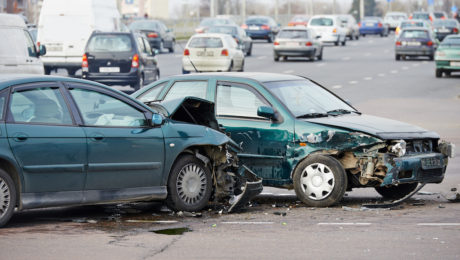
By Guest Author: Professor John Kwasnoski Motor vehicle crash cases have become more and more technical with the evolution of so many forms of digital evidence and the prolific use of expert testimony in both civil and criminal cases. Computer animation and simulation are commonly offered into evidence, along with the digital data from cell

The facts are staggering; the tragedy enormous; the solution difficult. Did you know that alcohol is the most commonly misused substance consumed in the United States? Did you know that (AUD)? [1] A substance use disorder (SUD) is defined as “a chronic, relapsing brain disease that is characterized by compulsive … seeking and use, despite harmful
A tragic crash in Michigan highlights the deadly consequences of negligent entrustment. This blog explains how poor hiring decisions, fatigue, and lack of corporate safety policies can lead to legal and financial ruin. Learn how employers can reduce liability and protect lives through proper vetting, training, and risk management.
-

Connecticut Chief Justice Raheem L. Mullins on Court Leadership
Chief Justice Raheem L. Mullins discusses menta... -
Substance Use Disorder Stigma: Language and Attitudes Matter
Language and attitudes can influence how justic... -

Nebraska Chief Justice Jeffrey J. Funke on the Future of Justice
Chief Justice Jeffrey J. Funke discusses judici...