


Artificial intelligence, behavioral health research, and emerging technologies are transforming the justice system at an unprecedented pace. Yet innovation alone cannot ensure fairness, accountability, or public trust. The future of justice will depend on informed leadership, evidence-based decision-making, and collaboration across disciplines.

In this episode of Justice Speaks, Gene Cotter, Nebraska’s State Probation Administrator, discusses evidence-based probation, workload-based supervision models, treatment courts, technology, behavioral health challenges, workforce recruitment, and the emerging role of artificial intelligence in community corrections.


A federal judge removed four attorneys from a case after both sides submitted AI-generated citations to cases that did not exist. The lesson extends far beyond legal research. As courts and justice agencies adopt artificial intelligence, professional accountability remains the most important safeguard. AI can assist the work, but responsibility for the outcome must always remain with people.

Dr. Carmen Gomez joins Justice Speaks to discuss probation leadership, diversion programming, pretrial services, and the growing role of artificial intelligence in community supervision. The conversation explores how compassion, accountability, and individualized support can improve outcomes within the criminal legal system.
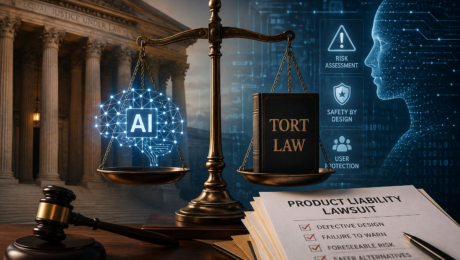
Artificial intelligence regulation may develop through tort litigation faster than through legislation. Courts are increasingly applying traditional product liability principles to AI systems, chatbots, and digital platforms. This article examines how judges, juries, and evolving tort doctrines may shape the future boundaries of AI accountability and governance.

Artificial intelligence is already embedded within the justice system. Courts do not need to wait for legislatures or technology companies to establish governance standards. Through disclosure requirements, procurement oversight, auditing, and procedural safeguards, courts already possess substantial authority to regulate how AI systems operate within judicial institutions.

AI generated legal writing is rapidly entering courtrooms, chambers, and legal practice. But large language models do not reason, evaluate evidence, or determine truth. This new Hardwiring Justice article examines the risks of AI generated legal writing, including hallucinated citations, evidentiary laundering, and the growing need for judicial verification standards.

Artificial intelligence is increasingly used across criminal proceedings, yet many systems operate as opaque “black boxes.” This article argues that the real concern is not technical opacity but procedural justice. When defendants cannot challenge algorithmic evidence through meaningful disclosure, the adversarial process fails and due process is compromised.
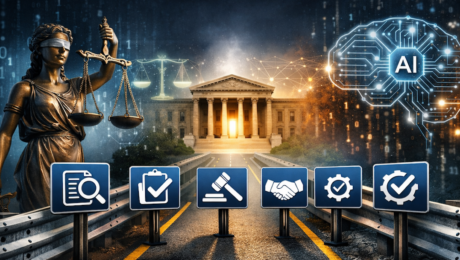
Artificial intelligence is already shaping court decisions. This article outlines five essential guardrails for AI in the courts, grounded in constitutional principles and judicial responsibility. It explains how transparency, validation, oversight, procurement, and continuous review ensure that technology strengthens justice rather than undermines fairness and public trust.
-

Connecticut Chief Justice Raheem L. Mullins on Court Leadership
Chief Justice Raheem L. Mullins discusses menta... -

Substance Use Disorder Stigma: Language and Attitudes Matter
Language and attitudes can influence how justic... -

Nebraska Chief Justice Jeffrey J. Funke on the Future of Justice
Chief Justice Jeffrey J. Funke discusses judici...