


Justice Speaks Podcast #99
Connecticut Chief Justice Raheem L. Mullins joins Justice Speaks to discuss judicial leadership, mental health courts, public trust, and the changing role of technology in the justice system. He reflects on his path to the bench, Connecticut’s judicial selection process, the challenges facing the courts, and his priorities for the state’s judiciary. This episode is sponsored by Reconnect.
From an Interest in Law to the Connecticut Supreme Court
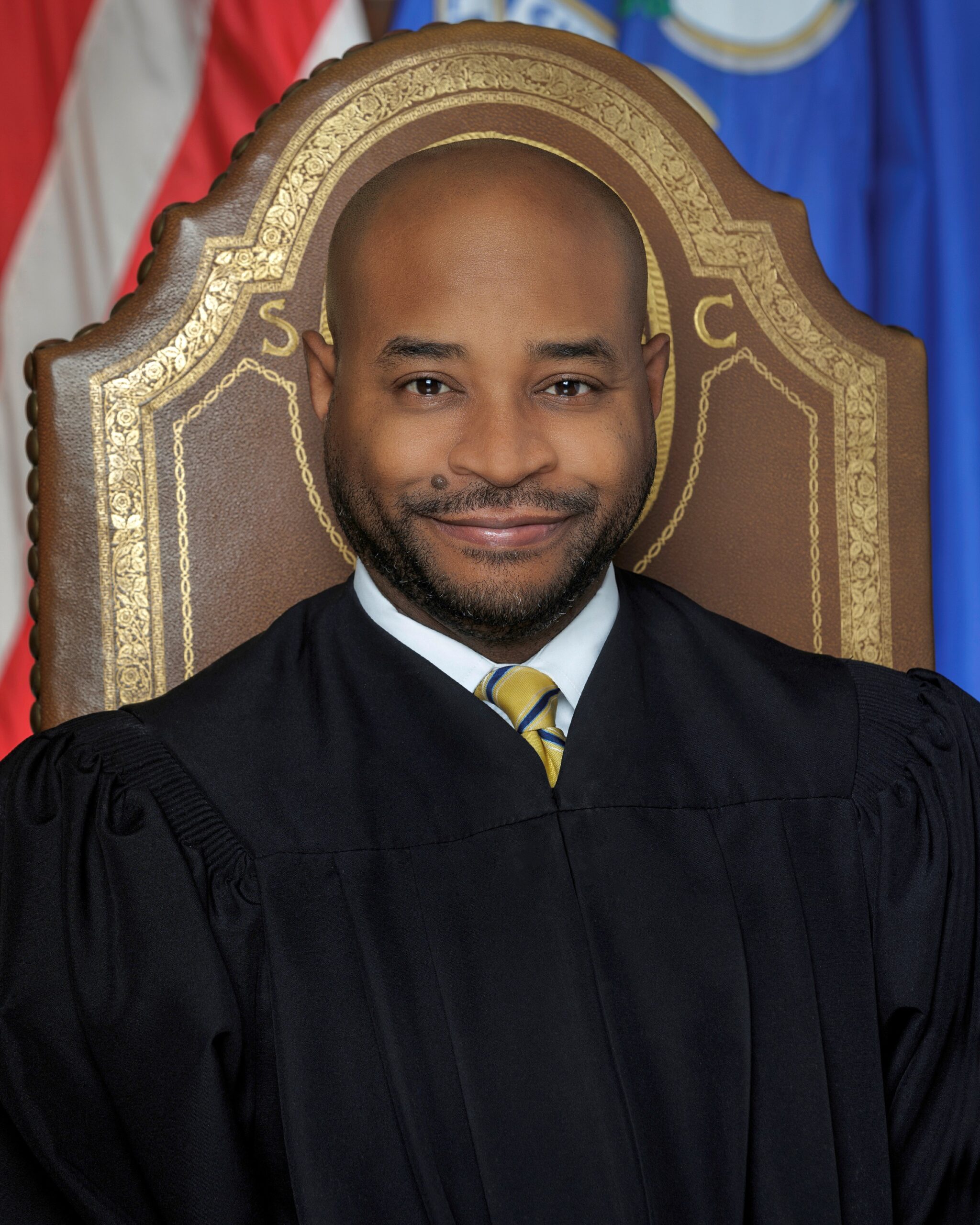
Chief Justice Mullins reflected on his early interest in the legal profession and the experiences that shaped his career. Although the television series Law & Order initially sparked his interest in becoming a lawyer, attending a murder arraignment gave him a much deeper understanding of the legal system and its consequences for defendants, victims, and communities. After law school, he worked in both trial and appellate practice, including representing the Connecticut Department of Children and Families through the Office of the Attorney General.
The conversation explored Chief Justice Mullins’ transition from practicing law to serving on the bench. Appellate judges before whom he appeared encouraged him to pursue a judicial appointment. He explained that judicial candidates in Connecticut must first apply to the Judicial Selection Commission, which evaluates applicants through a merit-based review and interview process. Candidates found qualified may then be nominated by the governor, reviewed by the legislature’s Judiciary Committee, and confirmed by the General Assembly.
Chief Justice Mullins also described Connecticut’s three-level court system and the process through which a chief justice is selected. Like other judicial appointments, the chief justice is nominated by the governor and subject to legislative confirmation. Connecticut judges serve eight-year terms and must be renominated and reconfirmed to continue serving.
Judicial Leadership and the Challenges Facing Connecticut’s Courts
The discussion addressed the responsibilities of a chief justice beyond hearing and deciding cases. Chief Justice Mullins manages the Supreme Court’s docket, assigns cases, reviews and signs the Court’s opinions, and oversees significant administrative responsibilities throughout the judicial branch. He identified courthouse and judicial security, public trust and confidence, and the rapid development of artificial intelligence as three of the most pressing issues confronting Connecticut’s courts.

Artificial Intelligence and the Integrity of Court Proceedings
Chief Justice Mullins discussed the growing effect of artificial intelligence on court proceedings, particularly when self-represented litigants use AI tools to prepare legal documents containing false citations or other fabricated information. He noted that attorneys have also submitted AI-generated material containing similar errors and emphasized that lawyers remain responsible for verifying everything they file with a court. As AI becomes more widely used, courts must balance its potential benefits with accuracy, accountability, and the integrity of judicial proceedings.
A major focus of the conversation was Chief Justice Mullins’ initiative to establish a mental health court pilot program in New Haven. The program will use a problem-solving approach for cases involving individuals with mental health concerns, connecting appropriate participants with treatment and support while maintaining accountability. The pilot will allow Connecticut to evaluate the model before considering whether it should be expanded to other parts of the state.
Modernizing Connecticut’s Courts
Looking toward the next decade, Chief Justice Mullins outlined his vision for modernizing Connecticut’s courts through expanded electronic filing, updated courtrooms, and other digital improvements. He emphasized that modernization must also support the judiciary’s fundamental responsibilities, including issuing timely decisions, operating transparently, and maintaining public confidence in the courts.
Throughout the conversation, Chief Justice Mullins emphasized that courts must continue adapting while preserving the principles essential to the administration of justice. His priorities reflect a broad view of judicial leadership, one that encompasses individual cases, court operations, emerging technology, behavioral health, and the public’s trust in the judiciary.
Justice Speaks thanks Chief Justice Mullins for sharing his experiences and vision for Connecticut’s courts and thanks Reconnect for sponsoring this episode.
Get more articles like this
in your inbox
Subscribe to our mailing list and get the latest information and updates to your email inbox.
Thank you for subscribing.
Something went wrong.