


 While case management is a cornerstone of treatment courts, its principles can also enhance judicial support and efficiency in non-treatment court settings. By incorporating structured case management strategies, judges can improve case outcomes, increase compliance, and better address the needs of individuals appearing before the court. JSI Vice President Chief Mack Jenkins (Ret.) will explore practical approaches for integrating case management into traditional courtrooms, strengthening collaboration with service providers, and leveraging judicial engagement to support long-term success.

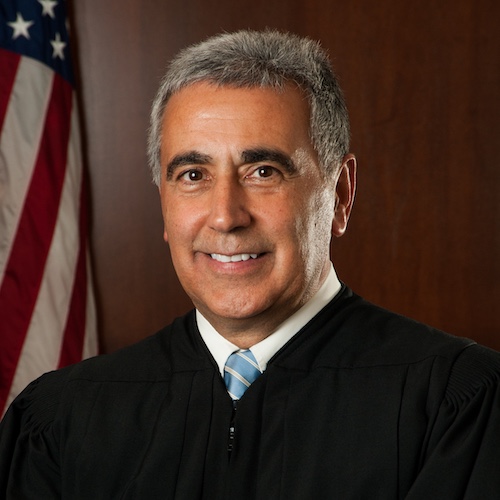 JSI Consultant Judge Anthony Capizzi (Ret.) will explore common pitfalls in Juvenile Drug Courts (JDCs) that can lead to poor outcomes for youth. By identifying these critical missteps and offering evidence-based solutions, participants will gain practical strategies to improve their programs and ensure they align with best practices.
On the interdisciplinary teams that make up accountability courts, the supervision officers are asked to play a case management role beyond the more traditional surveillance enforcement approach. That case management role is designed to facilitate accountability and behavior change. JSI Vice President Chief Mack Jenkins (Ret.) will cover the elements of case management and their application from a supervision perspective. Particular attention will be paid to case planning practices.
Balancing Authority and Support: Ethical Challenges in Community Supervision within Treatment Courts
This session explores the ethical complexities faced by probation officers, and case managers, involved in community supervision within treatment court settings. With a focus on balancing accountability and support, JSI Vice President Chief Mack Jenkins (Ret.) the session will examine key ethical dilemmas related to confidentiality, coercion, and equity in decision-making.
 Veterans Treatment Courts (VTCs) rely on the invaluable support of volunteer mentors to guide participants through the program and offer a unique peer perspective. However, the mentor role comes with distinct ethical challenges that can impact the success of the court and the well-being of participants. Judge Gayle Williams-Byers (Ret.) will examine the key ethical issues mentors face, such as maintaining appropriate boundaries, protecting participant confidentiality, and managing dual relationships. Additionally, it explores the responsibilities of VTC judges in fostering ethical mentor practices and creating clear expectations.