
AI in the Courts Series
Artificial intelligence (AI) is no longer just a future concept — it is reshaping our justice system today. Judges, lawyers, and court professionals are already using AI for legal research, docket management, risk assessments, and more. But with these innovations come critical questions of ethics, fairness, transparency, and accountability.
The Justice Speakers Institute is proud to present AI in the Courts, a multi-part series exploring how AI is transforming the courtroom, the challenges it creates, and the safeguards courts must consider.
This hub page brings all parts of the series together in one place so you can follow the discussion from start to finish.
For readers who prefer a single, consolidated resource, the full series is also available as a downloadable e-publication, bringing the complete AI in the Courts collection together in one accessible format.
The question is not whether AI will change the courts — but whether it will strengthen or compromise justice.
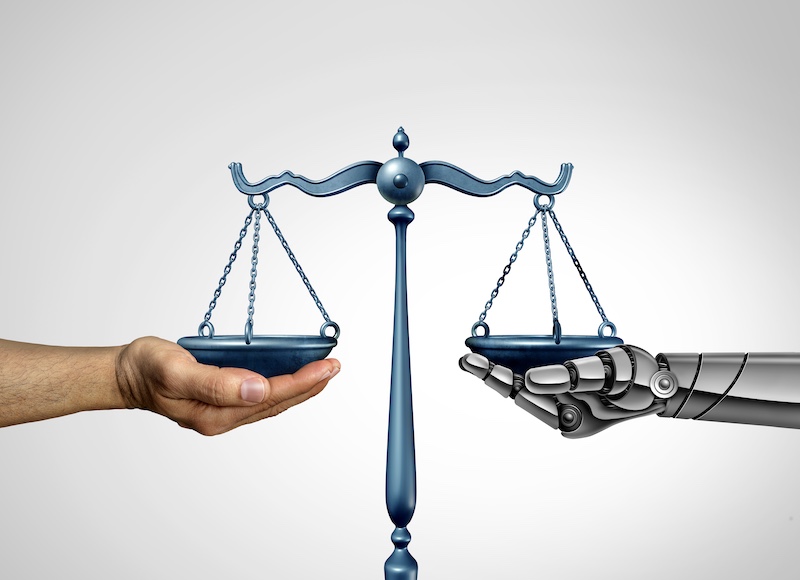
Introduction – AI and the Courts: Balancing Justice
Artificial intelligence is transforming the justice system, from risk assessments to drafting opinions. JSI’s six-part series, AI and the Courts: Balancing Justice in a Digital Age, explores opportunities, risks, and ethical challenges. The series highlights how courts can ensure AI strengthens fairness, accountability, and public trust in justice.
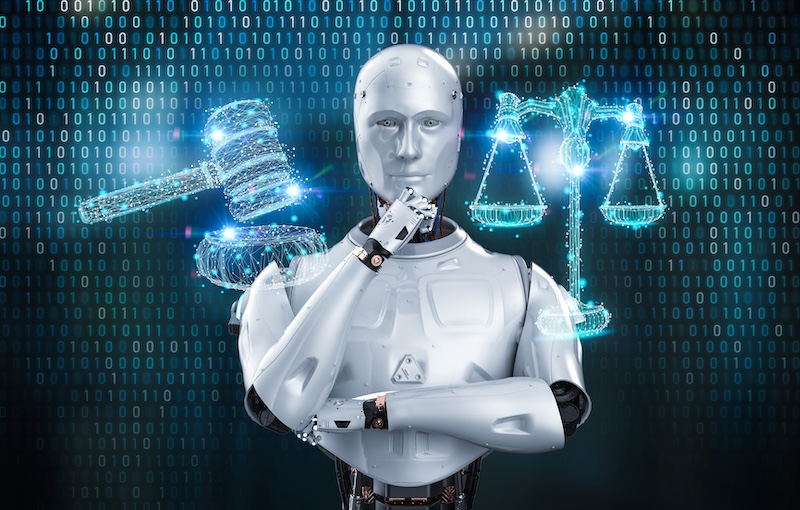
Part 1: AI in the Courtroom – Opportunities and Risks
Artificial intelligence is transforming the courtroom, reshaping legal research, case management, and access to justice. While AI offers efficiency and consistency, it also raises concerns about bias, transparency, and fairness. Courts now face the challenge of balancing innovation with accountability to preserve the integrity of justice.

Part 2: AI in the Courts – Ethical Challenges
AI is reshaping the justice system, but with it come profound ethical challenges. From bias in risk assessments to the “black box” problem of transparency, judges and lawyers must balance innovation with fairness. Ethical vigilance is vital to protect public trust, due process, and the legitimacy of judicial decision-making.
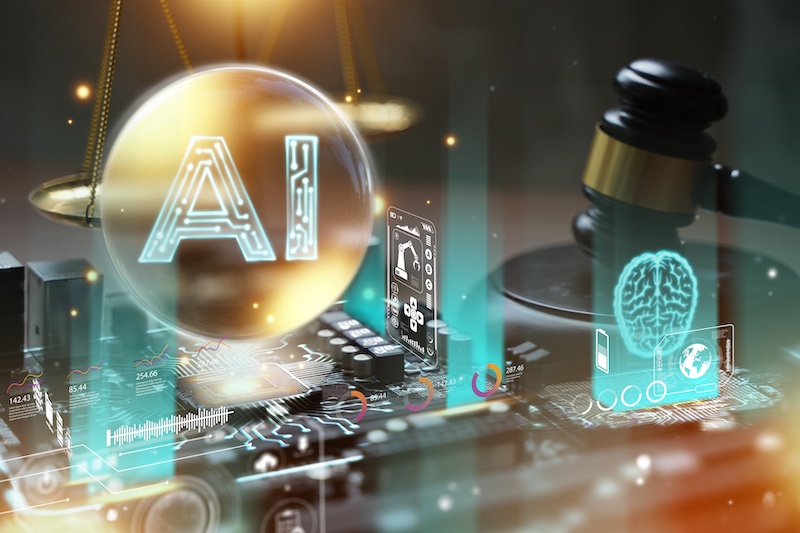
Part 3: AI on Trial – Admissibility of AI-Generated Evidence
Artificial intelligence is producing new forms of evidence—from deepfakes to algorithmic analyses—that challenge traditional evidentiary rules. This installment explores how courts can ensure AI-generated material meets the tests of relevance, reliability, and authenticity under Frye, Daubert, and Rule 702, safeguarding fairness and due process in the age of AI.

Part 4: Part IV: AI in the Courts: Judicial Decision-Making: Transparency, Accountability, and the Judicial Role
As AI tools enter the courtroom, judges face new challenges of transparency, accountability, and maintaining their central decision-making role. This installment examines how AI is reshaping judicial reasoning, the risks of overreliance, and why human judgment remains essential to preserving fairness, ethics, and public trust in justice.

Part 5: Courts of the Future--Innovation, Access, and Global Trends
As artificial intelligence transforms judicial systems worldwide, courts are redefining how justice is delivered. From AI-powered transcription to online dispute resolution, innovation is improving efficiency and access—but must never eclipse fairness. This post explores global trends ensuring AI in the courts enhances justice without diminishing human judgment.
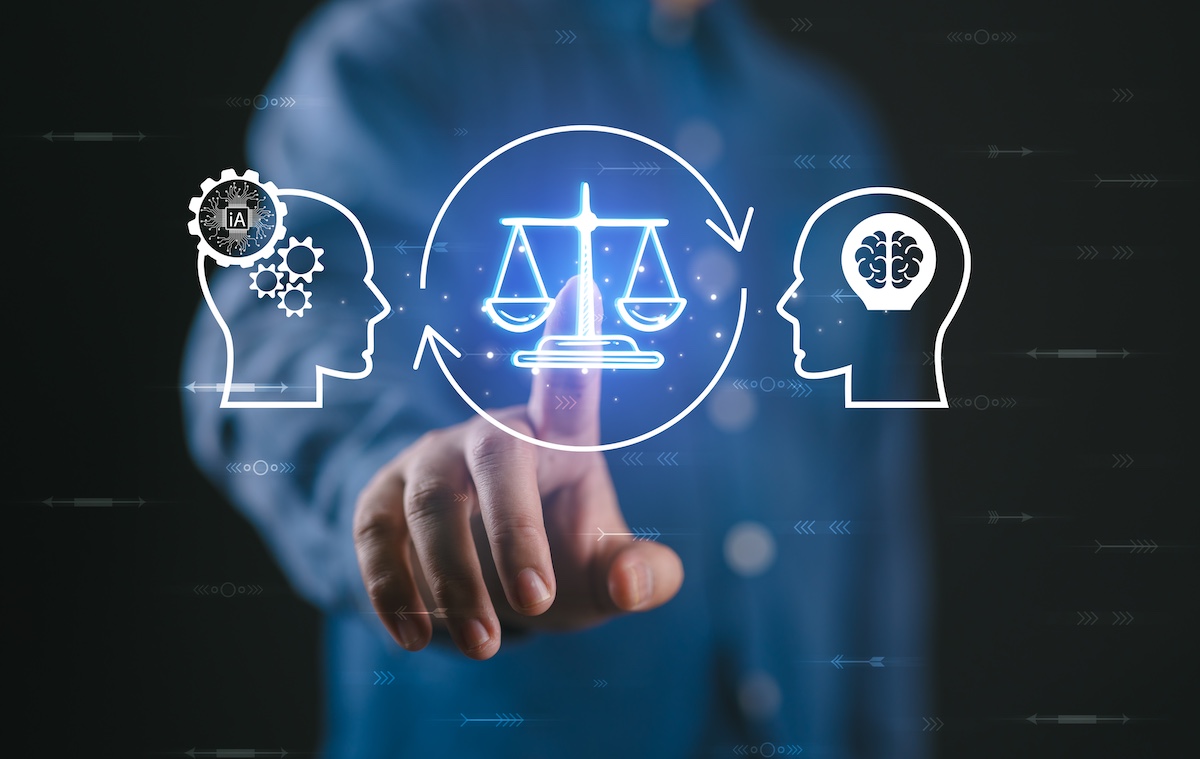
Part 6: Judging the Machine--Lessons, Guardrails, and the Path Forward
AI is reshaping the justice system, offering both promise and peril. Courts face the challenge of adopting these tools without compromising fairness or transparency. This article outlines the essential guardrails for judicial use of AI, ensuring technology strengthens, not supplants, the rule of law.

⚖️ AI in the Courts is more than a series — it’s a call to understand how technology is shaping the future of justice.
Why This Matters
AI has the potential to improve efficiency and expand access to justice — but it also raises profound risks of bias, lack of transparency, and diminished public trust. Courts must strike a balance between innovation and fairness.
This series was edited with the assistance of artificial intelligence tools used solely for grammar, clarity, and editorial refinement. All substantive analysis, conclusions, and judgments reflect human authorship and responsibility.
AI in the Courts is part of Justice Speakers Institute’s broader work examining artificial intelligence across the justice system. To review the broader work, go to Justice and AI, or Hardwiring Justice.
At the Justice Speakers Institute, we are committed to helping judges, policymakers, and legal professionals navigate these challenges responsibly.

VISIT
- Visit our Blog for more insights into justice system innovation.

EXPLORE
- Explore related discussions on the Justice Speaks Podcast.

SUBSCRIBE
- Subscribe to our newsletter for updates on the work JSI is doing.

CONTACT JSI
- Contact the Justice Speakers Institute for Training & Consulting
Copyright © 2022 Justice Speakers Institute, LLC.
All rights reserved.

The characteristics of honor, leadership and stewardship are integral to the success of JSI.

Therefore the Partners and all Associates subscribe to a Code of Professional Ethics.