



Justice Speaks Podcast #96
This episode of Justice Speaks continues our series highlighting leaders who are shaping the future of community supervision and the justice system. This episode is sponsored by Reconnect.
How Gene Cotter Built a Career in Community Supervision
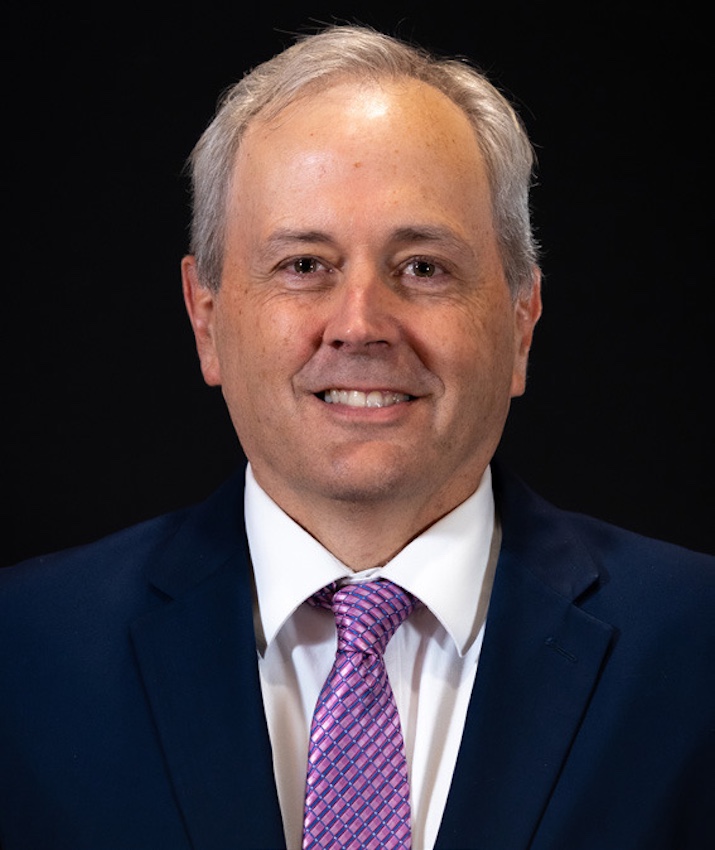
In this episode, we interview Mr. Gene Cotter, State Probation Administrator for Nebraska Probation Administration. Mr. Cotter begins by describing how he entered the probation profession almost by accident. What started as an internship quickly became a lifelong calling. Over the course of nearly four decades, he served in a variety of roles including adult probation, juvenile probation, intensive supervision, specialized substance abuse supervision programs, and leadership positions before ultimately becoming Nebraska’s State Probation Administrator.
Throughout the conversation, Mr. Cotter’s passion for community corrections is unmistakable. He reflects on the unique rewards of probation work, particularly the opportunity to witness long-term success stories. Whether seeing former clients reunite with their families, maintain recovery, or build productive lives years after supervision ends, Mr. Cotter explains that these moments have reinforced his commitment to public service throughout his career.
Evidence-Based Practices and the Future of Community Supervision
Mr. Cotter explains that the state recently celebrated two decades of implementing evidence-based approaches to supervision and intervention. Rather than relying solely on traditional caseload models, Nebraska has adopted a workload-based approach that more accurately reflects the time and resources required to supervise individuals with varying levels of risk and need.
Mr. Cotter discusses the critical role probation officers play in Nebraska’s justice system. Beyond supervision, probation officers conduct comprehensive biopsychosocial evaluations and risk assessments that help judges make informed sentencing decisions. He explains how the workload model accounts for all aspects of a probation officer’s responsibilities, including direct client contact, training, meetings, and administrative duties. For example, officers supervising high-risk sex offenders may be responsible for no more than seven individuals due to the intensive nature of the work involved.

Redefining Success in Community Corrections
The conversation also explores Nebraska’s efforts to better define success in community corrections. While recidivism remains an important measure, Mr. Cotter notes that Nebraska is working with researchers at the University of Nebraska to develop broader outcome measures. These include housing stability, employment, access to behavioral health services, and other indicators that provide a more complete picture of an individual’s progress and long-term success.
Technology and Artificial Intelligence in Community Supervision
The discussion also explores the growing role of technology in community supervision. Mr. Cotter describes Nebraska’s use of GPS monitoring, transdermal alcohol monitoring, sweat patches, and remote reporting systems to supervise individuals based on their risk level. While supportive of technological innovation, he emphasizes the importance of careful implementation and maintaining human judgment in decision-making processes.
Looking ahead, Mr. Cotter shares his interest in the potential application of artificial intelligence and predictive analytics within probation. He envisions systems that could analyze supervision data to identify periods when individuals may be at increased risk of relapse or noncompliance, allowing probation officers to intervene proactively. At the same time, he stresses the importance of human oversight and thoughtful safeguards when considering the use of AI in justice settings.
Workforce Challenges Facing Community Supervision Agencies
Another challenge discussed during the interview is the declining interest in public service careers. Mr. Cotter notes that probation departments across the country are facing recruitment difficulties, with applicant pools shrinking dramatically compared to previous decades. He also highlights the continuing behavioral health crisis, including the prevalence of mental health and substance use disorders among justice-involved populations, and the ongoing need for resources to address these challenges effectively.
Treatment Courts and the Future of Community Supervision
The conversation concludes with a discussion of treatment courts and problem-solving courts. Mr. Cotter discusses the research supporting these specialized court models and their ability to improve outcomes while enhancing public safety. He views treatment courts as a vital component of modern community corrections and an important part of the future of the justice system.
As he reflects on the future of community supervision, Mr. Cotter emphasizes the need to continue embracing evidence-based practices, leveraging technology responsibly, and finding innovative ways to support individuals in the community while protecting public safety.
We wish to thank Mr. Gene Cotter for sharing his insights and experiences on Justice Speaks. We also wish to thank Reconnect for sponsoring this podcast episode.
Get more articles like this
in your inbox
Subscribe to our mailing list and get the latest information and updates to your email inbox.
Thank you for subscribing.
Something went wrong.